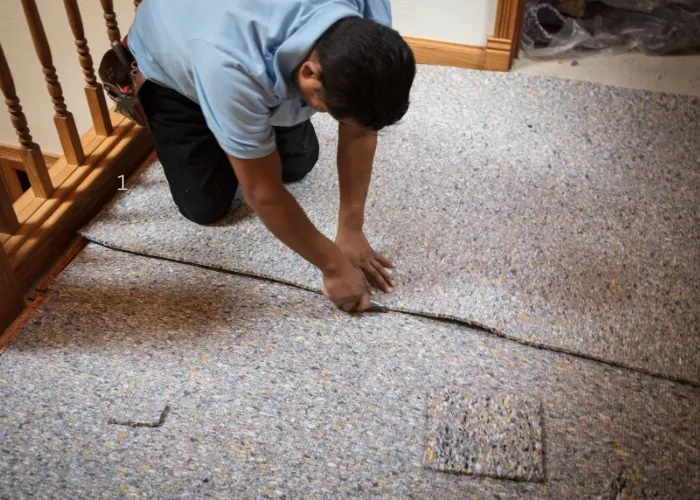
Choosing the right carpet pad is just as important as choosing the right carpet. While the color and texture of your new carpet are certainly fun to pick out, the right padding can help your carpet last longer, feel better, and be easier to clean. Here are a few things to keep in mind when selecting your carpet padding.
Shop NowDifferent rooms have different needs. If you’re carpeting a low-traffic area like a spare bedroom, you can often use a lighter padding. However, for high-traffic areas like a living room or hallway, a denser, more resilient pad is essential to protect the carpet from wear and tear. A thicker, softer pad might be ideal for a child's playroom to cushion falls, while a firmer pad would be better for an office with rolling chairs.
Shop Now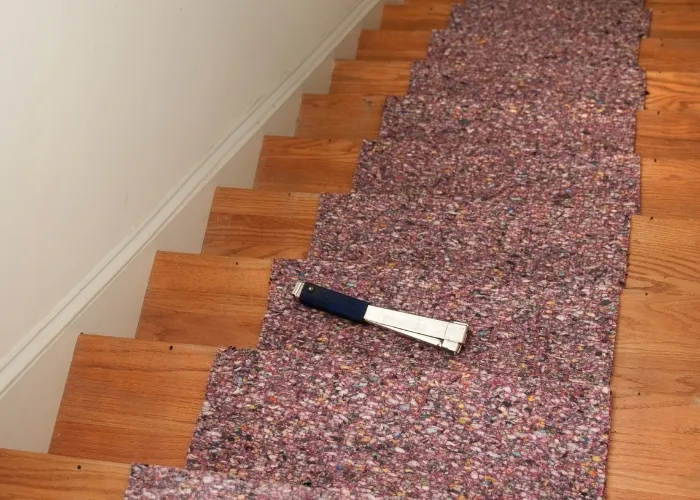
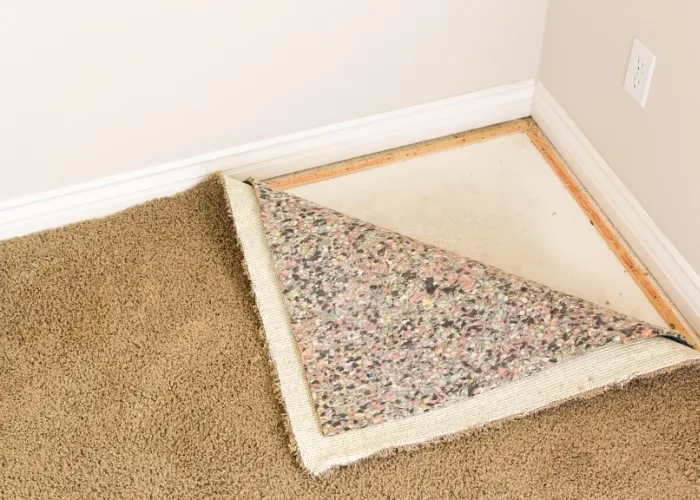
The carpet and its padding are a team. The wrong pad can cause the carpet to wrinkle, buckle, or wear unevenly, leading to premature damage. You need to match the density and thickness of the pad to the specific type of carpet you've chosen. For example, a dense, short-pile carpet like a Berber requires a thin, firm pad, whereas a plush, luxurious frieze or saxony will need a thicker, softer pad to enhance its comfort and feel.
Shop NowA simple test can tell you a lot about the quality of a carpet pad. A good-quality pad will feel firm and resilient, bouncing back quickly when you squeeze it. It shouldn't completely compress or flatten. If you squeeze a pad and it completely smashes down, it’s likely made of lower-quality material. This type of pad will offer little protection, leading to extra wear on your carpet and requiring replacement sooner rather than later.
Ultimately, the right carpet padding is a small investment that offers a big return. It helps your carpet look great, feel comfortable, and stand up to the rigors of daily life for years to come.