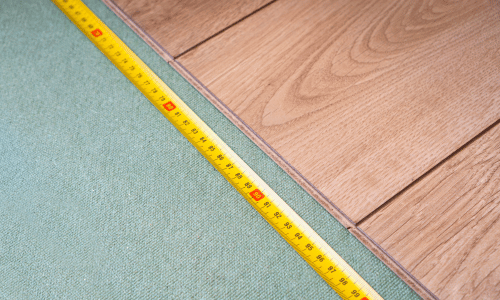
How do you decide how much carpet you’ll need? You don’t want to overestimate and blow your whole budget, but you also don’t want to underestimate — if your installers don’t bring enough material, it’ll delay the job and disrupt your home for longer, and no one wants that.
.png)
Calculating the cost of new carpet might seem complicated, but Sloane's is here to simplify the process. While we'll send a professional installer to get precise measurements before your purchase, this guide will help you get a quick, accurate estimate for your budget.
Shop Now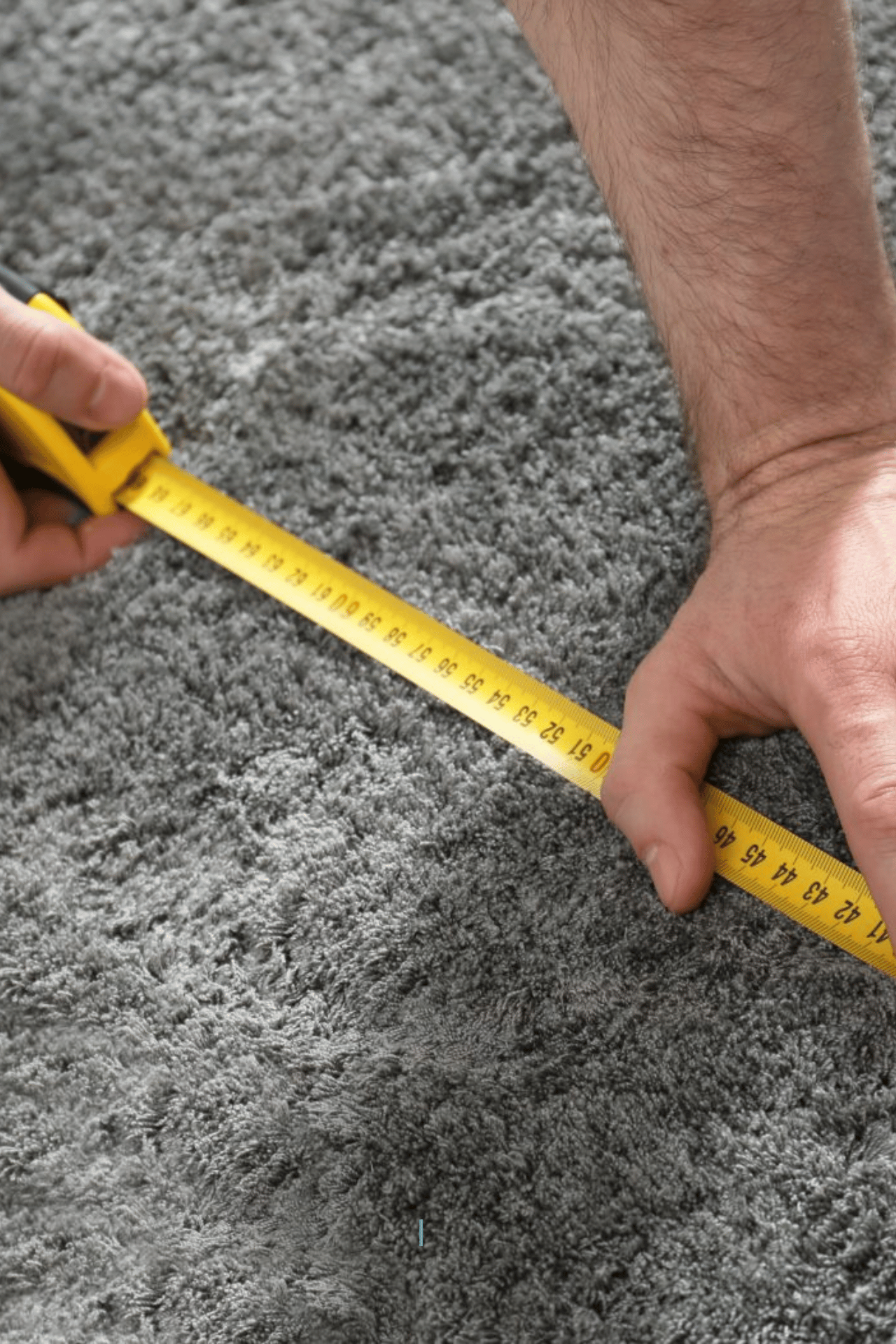

To start, simply measure the length and width of the room you're carpeting and multiply them to get the total . For example, a 10-foot by 15-foot bedroom requires 150 square feet of carpet.
Keep in mind that carpet is rarely installed in a single, simple room. Be sure to account for hallways, closets, and any other small, connecting areas. A helpful tip is to use masking tape to mark off areas you’ve measured and sketch a rough floor plan to ensure you don’t miss any spots. For angled areas, the installer will easily handle them, often with a little extra material to ensure a perfect fit.

Stairs are one of the more challenging areas to measure, but you can get a good estimate by breaking down each step. Each stair is composed of the tread (the horizontal part you step on) and the riser (the vertical part at the back).
A standard stair has an 8-inch riser, a 10-inch tread, and is 36 inches wide. This means each step requires approximately 4.5 square feet of carpet. However, be aware that not all stairs are this simple. Some stairs have rounded edges, called noses, or are open on one side with railings. Some homeowners also choose to only carpet the tread.
When taking your own measurements, we recommend rounding up to the nearest foot. Then, add an additional 10% to your final estimate to account for cuts, seams, and other installation needs. While this will leave you with some leftover carpet, it's a much better option than running short on material during installation. These leftover pieces can also be used for useful projects, like doormats or furniture pads.
Download Carpet Estimator